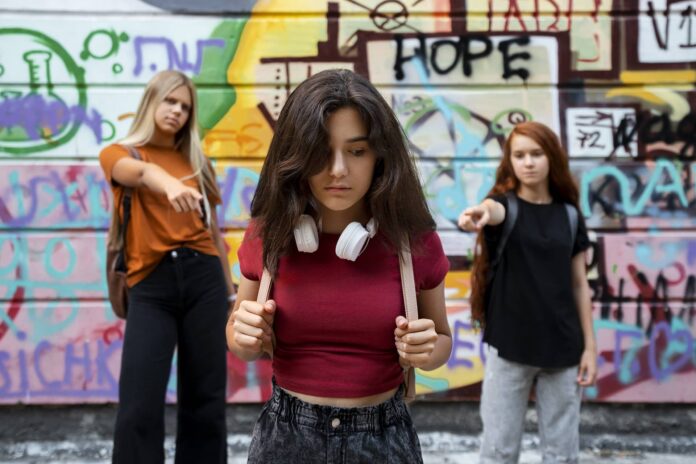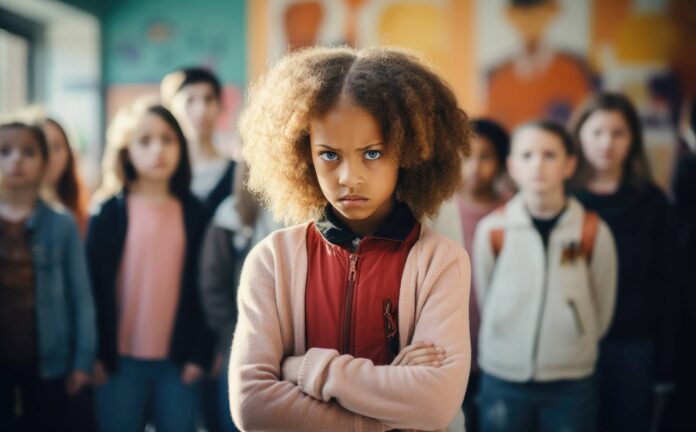
Roblox has become a digital cornerstone for the next generation. With over 70 million daily active users, it is more than just a game; it is a sprawling universe where children build, socialize, and explore. However, because Roblox is built on user-generated content and open social interaction, it has also become a fertile ground for “digital playgrounds” where bullying can thrive.
At Defeat the Label, we frequently hear from parents who are surprised to find that their seven or eight-year-old is experiencing harassment in a world that looks like it’s made of LEGO bricks. The reality is that if there is a chat box and a competitive element, bullying is a possibility.
Is Bullying Possible on Roblox?
The short answer is yes. While Roblox has implemented significant safety filters—such as “Safe Chat” for users under 13—bullies are notoriously creative. They often find ways to bypass filters using “leetspeak” (replacing letters with numbers or symbols) or through in-game actions that don’t require words at all.
Bullying on Roblox typically falls into three categories:
- Verbal Harassment: Using the chat function to insult a player’s “skin” (their avatar’s appearance), their skill level, or their real-life identity.
- Targeted Griefing: This is when a player or a group of players repeatedly targets a specific individual within a game to prevent them from playing, stealing their in-game items, or destroying their digital builds.
- Social Exclusion: Players may create “private” areas or use emotes to mock and exclude someone from a social circle within a popular game like Adopt Me! or Brookhaven.
The “Noob” Label: How Avatar Shaming Starts
In the world of Roblox, your avatar is your identity. One of the most common forms of bullying on the platform is “Avatar Shaming.” Players who haven’t purchased “Robux” (the platform’s currency) often have the default character appearance. These players are frequently labeled as “Noobs.”
While “Noob” might seem like a harmless gaming term, it is often used as a tool for systematic exclusion. When a child is told they “look poor” or “look basic” in a digital space, the emotional sting is very real. It teaches children that their value is tied to their digital “status,” which is exactly the kind of labeling we work to dismantle at Defeat the Label.
The Rise of “Cyber-Mobs” in Mini-Games
Because many Roblox games are competitive, players often form “clans” or groups. While this can foster teamwork, it can also lead to “mobbing.” This occurs when a group of friends decides to target a single player in a server, following them from game to game or chat-spamming them until they are forced to log off.
This type of bullying is particularly difficult for children because it feels like the entire “world” is against them. The anonymity of the internet gives these “mobs” a sense of bravery they wouldn’t have in a physical hallway.
Identifying the Signs of Roblox Bullying
Since Roblox is often played on tablets or phones in common areas of the house, you might think you’d notice bullying immediately. However, kids are often hesitant to report it because they fear their “screen time” will be taken away as a solution.
Watch for these indicators:
- Abruptly Closing the App: If your child quickly shuts the iPad or hides the screen when you walk by.
- Frantic Typing: If they seem stressed or angry while typing in the chat.
- Asking for Robux Out of Necessity: Not just because they want a cool item, but because they feel they need it to stop people from making fun of them.
- Changes in Mood: If the “fun” of the game has been replaced by a sense of obligation or anxiety.
Roblox Safety Tools: How to Take Action
Roblox provides several tools to help parents and players manage their experience. Understanding these is the first step in moving from victim to Upstander.
1. The Block and Report Feature
Every player has a profile that can be blocked. Blocking prevents that person from contacting your child or joining the same game server. Reporting a player sends a log of the chat to Roblox moderators. Pro-Tip: Teach your child that reporting isn’t “tattling”—it’s a safety protocol to keep the community clean.
2. Privacy Settings and “Contact Settings”
You can restrict who can message your child, who can chat with them, and who can join them in games. For younger children, setting “Who can chat with me in app” to No one or Friends is a highly effective way to eliminate 90% of bullying.
3. The “Account PIN”
Roblox allows parents to add a 4-digit PIN to the account settings. This prevents a child (or a bully who has gained access to the account) from changing the privacy settings you have put in place.
Empowering Your Child to be a Digital Upstander
At Defeat the Label, we believe that the same rules of kindness apply in the digital world as they do in the physical one. If your child sees someone being called a “Noob” or being bullied in a Roblox chat, they have the power to change the narrative.
Teach them to:
- Not join in: Even if their friends are doing it.
- Say something simple: “Chill out, it’s just a game,” or “Leave them alone, they’re just playing.”
- Invite the target: If someone is being excluded, your child can invite them to a different game or a private party.
The Conversation Every Parent Needs to Have
Instead of asking “Did you win?” ask your child, “Was everyone nice in the game today?”
By making the “social” aspect of the game a regular topic of conversation, you lower the barrier for them to come to you when things go wrong. Explain that the people behind the avatars are real people with real feelings.
Final Thoughts: Reclaiming the Digital Playground
Roblox is a brilliant tool for creativity and logic-building, but it requires active “digital parenting.” We cannot expect a platform with millions of users to perfectly moderate every interaction.
Our mission at Defeat the Label is to provide you with the tools to ensure that your child’s digital identity is one of strength and empathy. By setting the right boundaries and fostering a culture of “Upstanding,” we can make Roblox a space where children can play without the fear of being labeled.